


Yoshino Flowering Cherry Tree
Prunus x yedoensis


Plant Sentry™ Protected
Your order is protected by our compliance system that:
- Prevents restricted plants from shipping to your state
- Ensures plants meet your state's agricultural requirements
- Protects gardens from invasive pests and diseases
Specifications
| Hardiness Zone | 5a to 8b |
|---|---|
| Sunlight | Full sun |
| Height | |
| Width | |
| Growth Rate | Moderate |
| Watering Needs | Moderate |
| Preferred Soil | Chalky, Clay, Loamy, Peaty, Sandy |
| Blooms In | Spring |
| Flower Color | Pink, White |
| Fragrant | Yes |
| Plant Characteristics | Cold hardy, Flowering, Fragrant, Fall Color/Interest, Thornless, Attracts pollinators, Fast-growing, Drought resistant |
| Botanical Name | |
| Does Not Ship To | AK, CA, HI, ID, MT, OR, PR, VI, WA |
Description
Outstanding Yoshino Flowering Cherry Tree
- Very Popular Cherry Blossom Tree
- Stunning and Fragrant Blossoms in Early Spring
- Produces Pink Buds That Open White
- Historic Tree Gift from Japan
- Host Your Own Cherry Blossom Hanami Celebration
- Dark Green Leaves Make Them Wonderful Shade Trees
- Perfect Form Brings Winter Interest
- Grows Quickly
- Adaptable to a Wide Variety of Soils
- Drought Resistant Once Established
Japan gave the United States 3,000 Yoshino Flowering Cherry trees in 1912. Now, the graceful Yoshino Cherry Tree (Prunus x yedoensis) plays a starring role in the annual Cherry Blossom Festival in Washington, DC.
This world-famous tree is planted all along the Tidal Basin. Each year, thousands of people converge on our nation's capital to see the Yoshino Cherry Trees in bloom.
The tree grows with an upright, vase-shaped, branching habit that bestows an Asian sensibility in the landscape. Yoshino has incredible gray-black bark.
Fragrant, pale white flowers liberally cover the lovely, dark, bare branches in very early spring. Each flower is at least an inch across. Small fruits sometimes form that change from red to black, and the birds will quickly take them. The flower display in spring is an amazing sight. This is truly one of the world's greatest wonders.
Called Sakura by the Japanese - but nicknamed the Potomac Cherry in the United States - the Yoshino Cherry Tree bursts into bloom in spring and the flowering lasts for several weeks.
With Nature Hills Nursery, you can now bring home a bit of that world-renowned beauty to your own yard. Design a lyrical Japanese Garden, use it as a lawn specimen, or create a heightened sense of anticipation in your landscape by planting a long row of them.
Flower buds are pink and open white that mature to white with a slight pink tint. These clusters of flowers are so bright they almost glow.
They smell wonderful, too, with a light fragrance. Spring breezes will carry the scent throughout your yard.
Yoshino is an incredible specimen shade tree with an outstanding flower show in early spring. Dark green leaves provide shade all summer, then mellow for another display of fall color.
The deep golden-orange highlights the end of the season. The leaves are accented by tiny decorative fruit that feeds local songbirds.
If you see the Yoshino in stock on our site, please place your order today.
We can't guarantee how long this year's stock will last, so please reserve yours today!
Celebrate Yoshino Flowering Cherry Blossom Trees
Life is short. Why not create a collection of Japanese Flowering Cherries? Yoshino will be a standout, but Nature Hills offers many different Cherry Blossom trees for sale.
All of these trees are highly coveted for their beauty, ease, and fragrance. Consider creating your own very special collection of these magnificent trees in your landscape.
The old Master hybridizers in Japan worked to perfect these trees for many centuries. Their elegant branch structure and abundant flower set are a testimony to their talents.
They certainly created a masterpiece with the flowering Yoshino. The tree is a metaphor for the fleeting quality of life, and its ephemeral nature is celebrated every year in Japan.
Serene Japanese Flowering Cherry trees feature a long-lasting, enchanting period of blooms before the leaves emerge. Every graceful branch is simply covered with bloom.
The luminous, single, pale white petals glisten in sunlight. Bright yellow stamens in the center of each flower capture and reflect that light.
You'll want to host Cherry Blossom parties in the spring, just the way they do in Japan. Called Hanami (get-together) Sakura Parties, they help people enjoy togetherness, and food and celebrate the falling of the petals with family and friends.
Like living fireworks, every year the blooms drop quickly. This beautiful shower of floral confetti is eagerly anticipated in Japan.
Be sure to site the trees where you’ll catch glimpses of them from inside your cozy house. Early spring weather can be unpredictable, so you may need to move the festivities inside.
How to Use Yoshino Flowering Cherry in the Landscape
Yoshino forms a broad, graceful tree with arching branches. Give it room to develop into its mature form. You won’t want to miss studying the elegant lines of this beautiful tree.
Exotic Yoshino makes people stop and stare. This is a perfect ornamental tree with an abundance of delicate spring blooms in the spring. Try a long row of them lining a fence or create a fabulous allée with a double row on either side of your entry drive. Yoshino also makes a stunning lawn specimen.
Even small gardens can use a Yoshino Flowering Cherry tree as an "all-in-one" ornamental accent and shade tree. Plant it where you can see the bloom from inside your house, too. A single tree will be the focal point of any landscape.
There is something sculptural about the sinuous branching structure of these pretty trees. Use this to your advantage in your yard. Here's how:
First, plant trees at least 15 feet away from your house. You'll want to have access to the exterior for ongoing maintenance.
Now, imagine how your front entrance would look flanked by an arching pair of these trees. You'd have visual interest all year long. Carefully site the trees so the longest branches arch up over your doorway and reach towards each other. Selectively prune the lower branches if needed to create the effect you want. Amazing curb appeal!
A very popular application of these trees would be to create a long row of them. Plant them 7 feet apart if you want the canopies to touch. If you want the trees to become individual specimens in your row, plant them 12 feet apart. Measure from the trunk of one to the trunk of the next.
Rows look fantastic along a fence line or driveway. If you have the room, try a double row - or "allée" – all along both sides of the drive.
What a memorable experience each spring during bloom time! Fall color is another enchanting experience.
A double row can be used in the yard, as well. Plant a few trees on either side of a wide walkway or path to a destination spot such as an outdoor kitchen or fire pit. You'll heighten the experience for everyone who visits your yard.
One of the most important design elements in Washington, D.C. is how the Yoshino Flower Cherry trees reflect in the waters of the Tidal Basin.
Try this yourself. If you have a water feature, build a high bank of extra soil near one edge. Add 24 inches of topsoil above grade. Then, sculpt the dirt and firm it up well. Plant the Yoshino directly in that mound.
When sculpting your topsoil mound, imagine you are recreating a tiny mountain range. Try to include at least one slightly elevated “peak” and a few small dips, or valleys. Have fun with this cool project and enjoy the reflected tree.
#ProPlantTips for Care
Once established in your soil, it is drought-resistant. Yoshino isn't fussy about soil, either. It adapts well to an array of soil types, as long as it's well-drained.
Plant it in full-day sun for the very best blooms. Light pruning to shape an open branch structure should be done in late fall or in spring after the blooms are passed.
It displays some tolerance to drought, but while your tree is young – or in times of extended drought – supplement with an even amount of moderate water. In dry, hot areas, it’s best to mulch them to keep the root system moist.
You, like so many other homeowners, will adore your Yoshino Flowering Cherry tree! Order today at Nature Hills Nursery!
Delivery and Shipping
Shipping Rates
Ships in 3-5 business days • Tracking provided • Weather protected
| Under $50 | $9.99 |
| $50 - $99.99 | $14.99 |
| $100 - $149.99 | $16.99 |
| $150 - $198.99 | $24.99 |
| $199+ | FREE |
✓ Zone-specific timing • ✓ Professional packaging • ✓ Health guarantee
Find on Page
Type to search specs, description, care, FAQ, and shipping.
Other Cherry varieties
-

Snow Fountain® Weeping Cherry Tree
Prunus x 'Snow Fountain'
Regular price $13787Unit price /Unavailable -

Prunus serrulata 'Kwanzan'
Regular price $7995Unit price /Unavailable -

Prunus subhirtella 'Autumnalis'
Regular price $9450Unit price /Unavailable -

-

Pink Snow Showers™ Weeping Cherry Tree
Prunus x 'Pink Snow Showers'
Regular price $10825Unit price /Unavailable -

Prunus cerasifera 'Newport'
Regular price $10260Unit price /Unavailable -


"Feeling fine, Louis!"
To quote a couple of lines from the iconic movie, Trading Places, my little tree has never been better.
I planted it on July 1, 2023, and today, at practically three years to the day, it is thriving!
I have done some pruning and clearing out of the inner part of the tree, first in July of 2024 and two years later also in July. I'm hoping this will keep the growth and energy where I want it, outward and upward. So far so good!
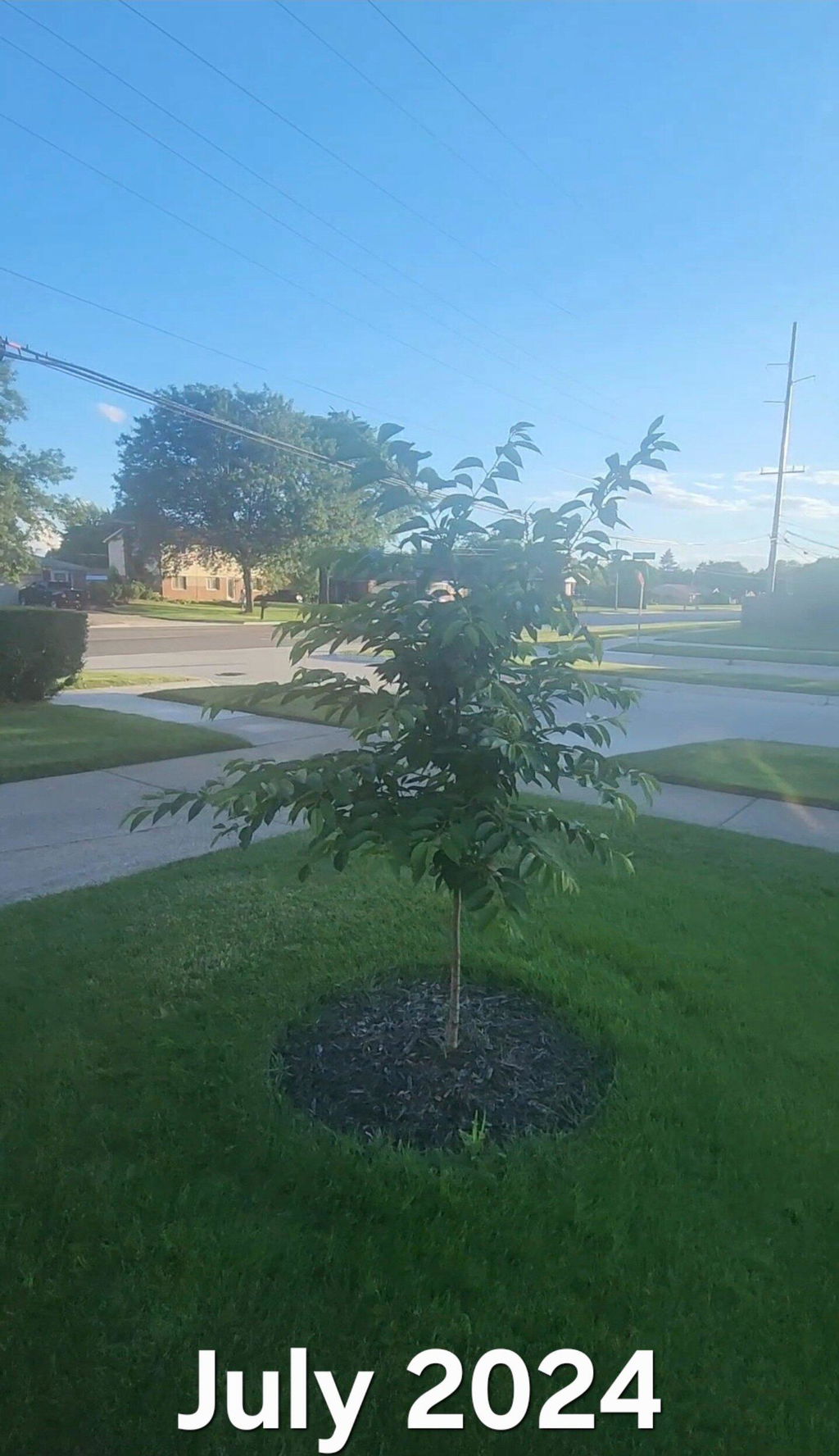
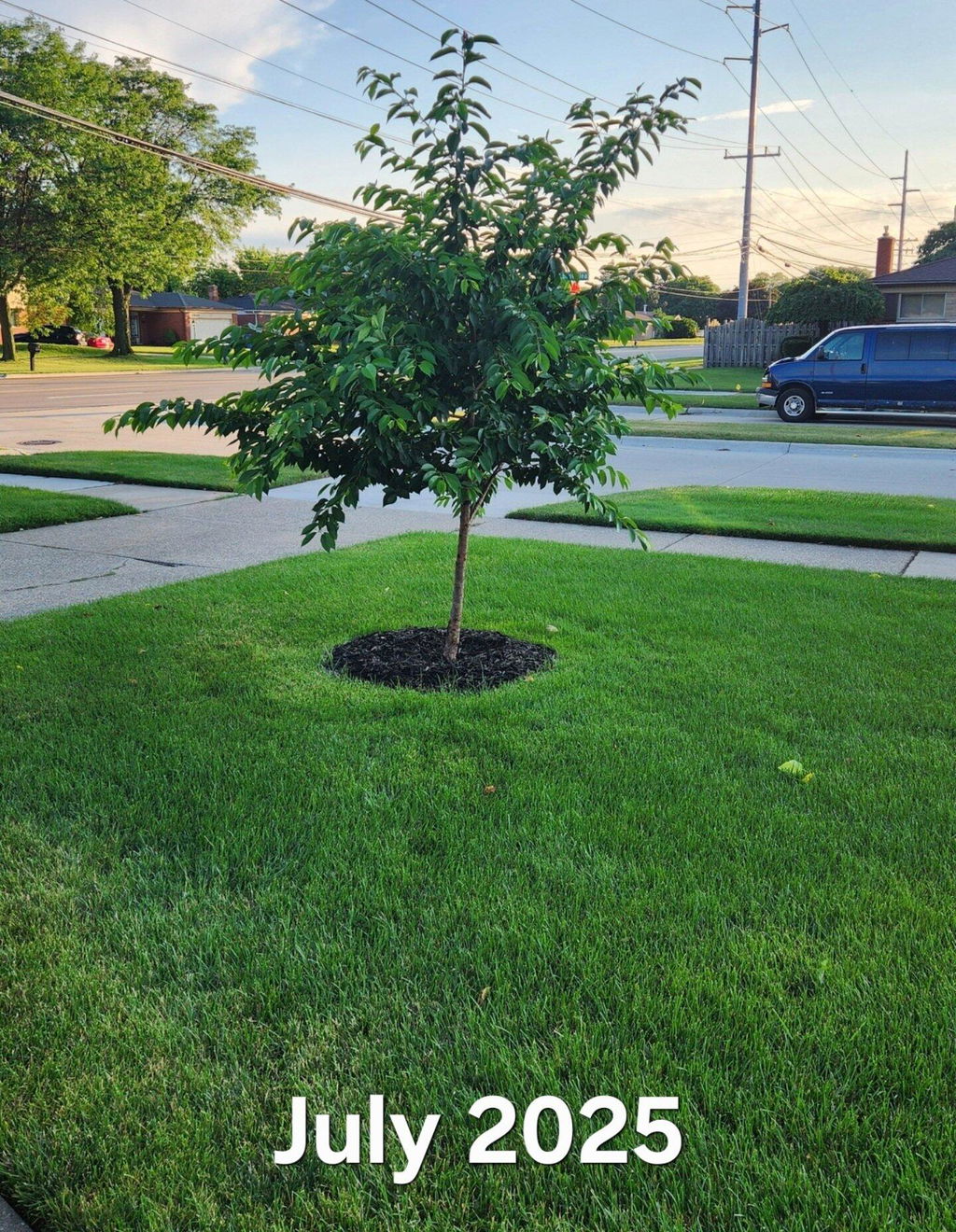
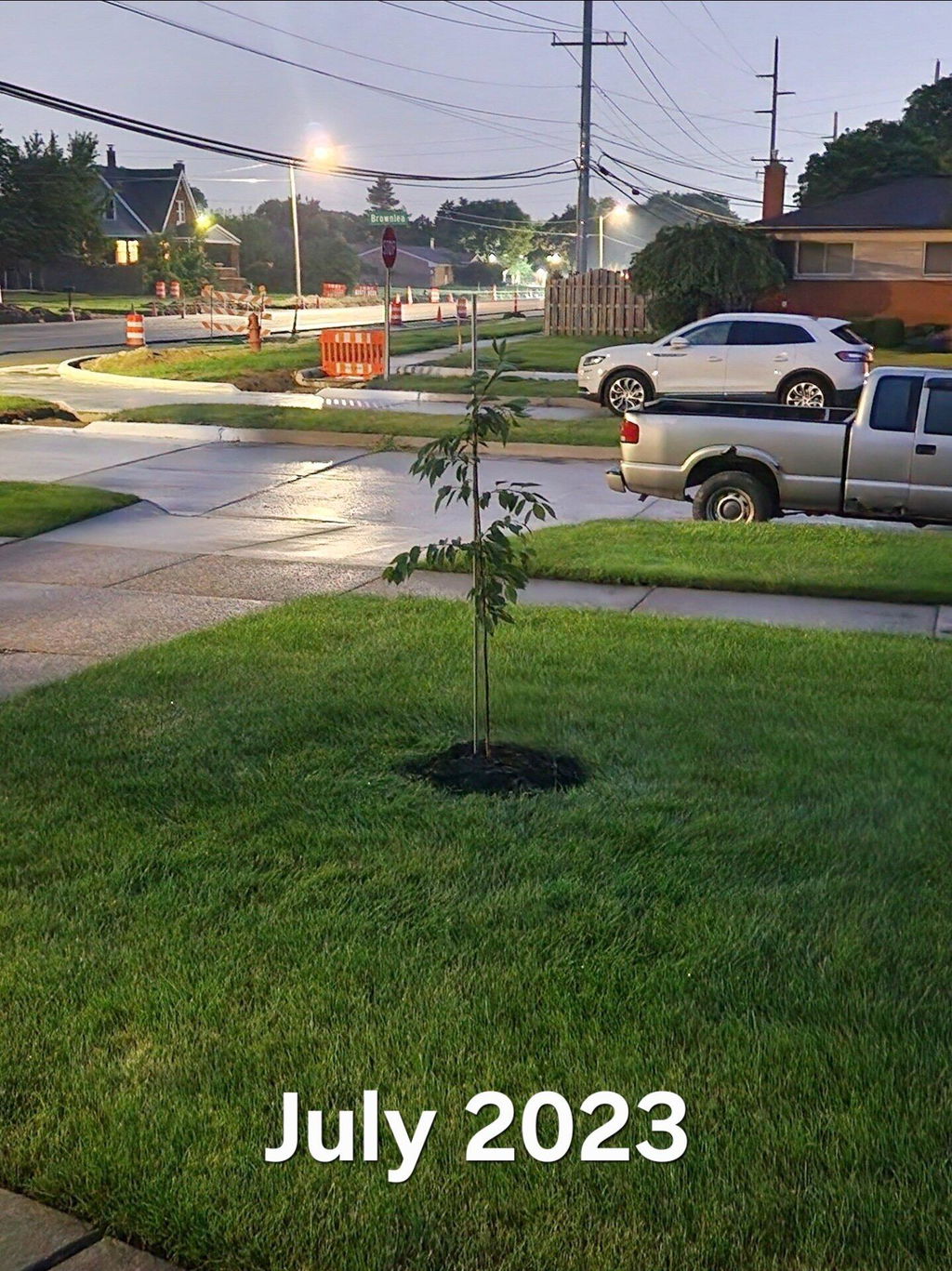
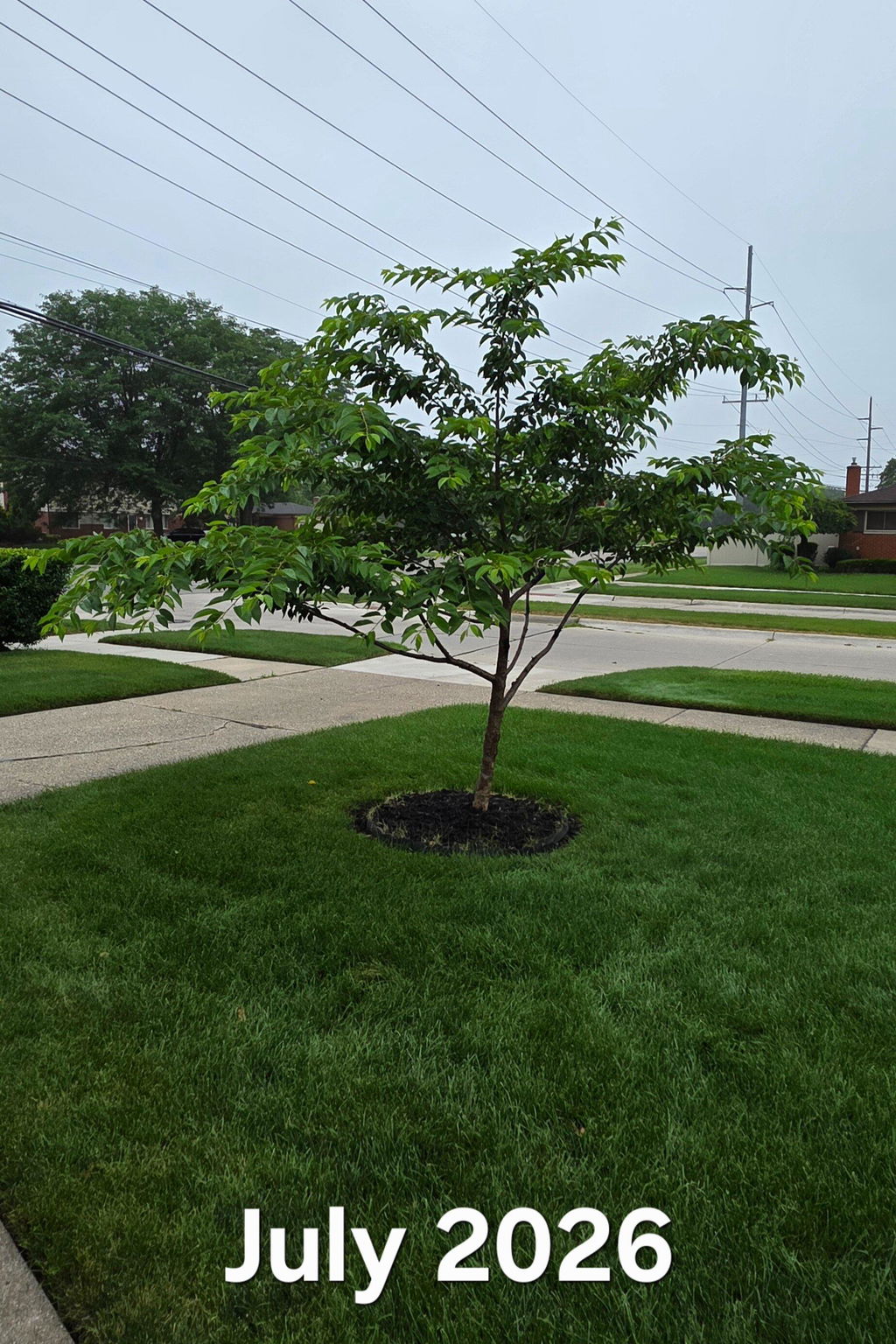
A Yoshino putting on a good show three years in is exactly what you work toward when you plant one of these. Your instinct to open up the interior and push energy outward is sound pruning practice for cherries, and doing it consistently in July gives the tree time to settle before cooler weather arrives. Sounds like it is in good hands, Rick.
The trees arrived in relatively good shape. I have planed and they seem to be thriving. One tree arrived with two tiny blossoms. I would advise to be mindful the 3-4 days shipping as advertised on their website which I pointed out to them was not accurate. It took 2 weeks.
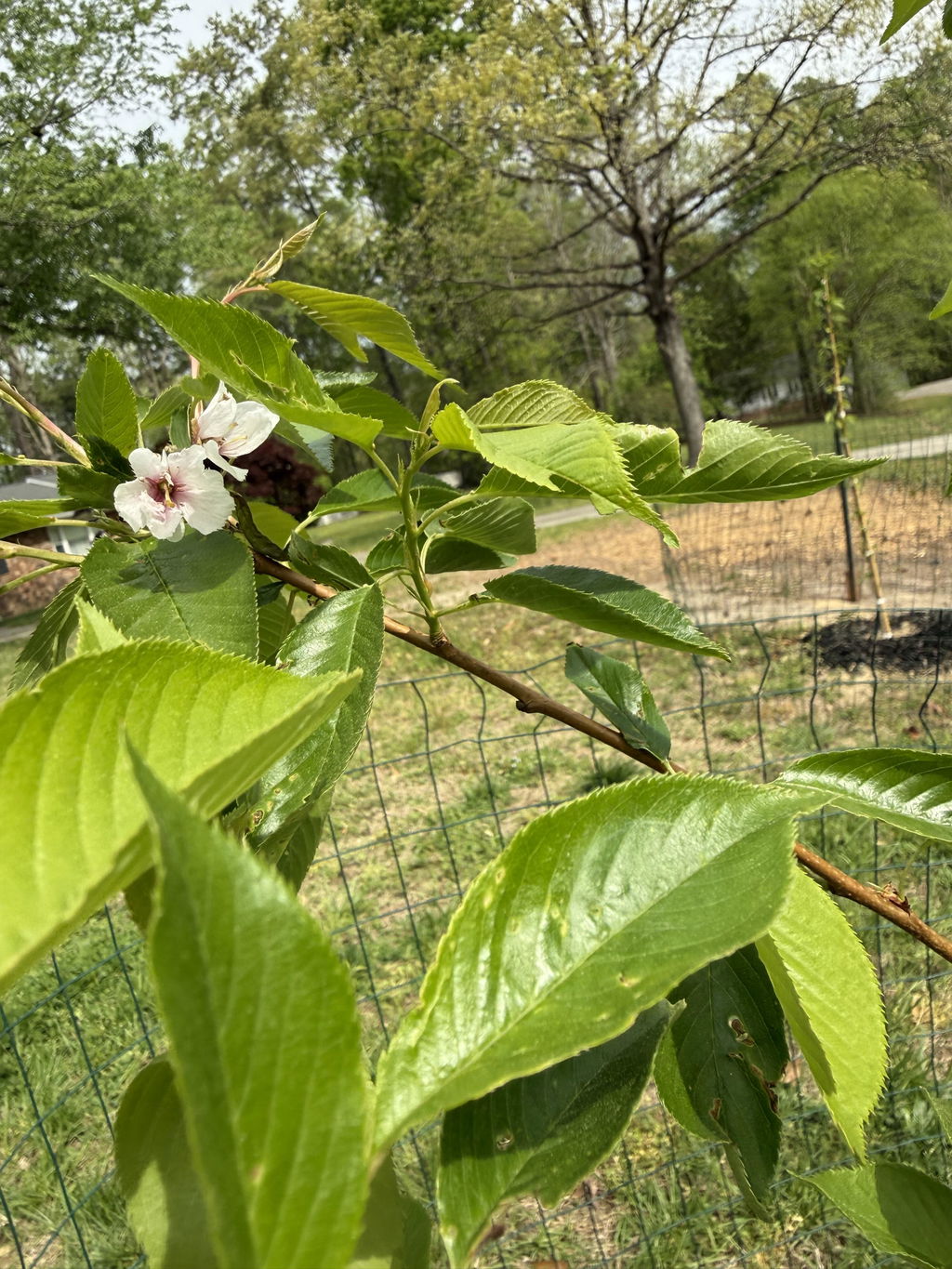
Trees arrived well packed and healthy. Planted them a couple of days ago. Looking forward to see their bloom.
Yoshino cherries are worth the wait. Once they settle in and hit their first spring bloom, you will see why they are one of the most talked-about flowering trees around. Thanks for sharing, Hung, and happy growing from the Nature Hills team.
My Yoshino Flowering Cherry Tree arrived very quickly. She was well packed and arrived in great shape. Ordering was quick and easy and the instructions for planting were easy to understand and follow. I used the root booster, so I'm hoping that will help establish a good root system before the winter sets in. I hope I won't have to use the year-long warranty, but it's nice to know it's there if I do.
All in all, the purchase was quick, easy and painless.
I look forward to sending you a picture in the spring!
Thank you!
Yoshino cherries are such a rewarding tree to watch come into bloom, and it sounds like yours got off to a solid start. Using the root booster was a smart move going into winter, giving the roots a better chance to settle in before the ground hardens. We'd genuinely love to see a photo come spring. Thank you, Joan!
I never ordered a tree online before, I usually buy from local garden centers, but I wasn't having any luck finding a Yoshino cherry, so I ordered one from NatureHills based on the positive reviews. Yesterday I received a nice healthy looking very well protected young tree. NatureHills I am very pleased. Thank you!
Dear Richard,
Thank you so much for taking the time to share your experience with us! We’re delighted to hear that your Yoshino cherry arrived healthy and well-protected. Ordering plants online can feel a bit uncertain at first, so we’re glad we could provide a positive experience and help you find exactly what you were looking for. If you ever need tips on planting or caring for your new cherry tree, please don’t hesitate to reach out—we’re here to support you every step of the way.
Wishing you happy planting,
The Nature Hills Plant Experts
I ordered a Yoshino Cherry Blossom for my parent's front yard and it just arrived yesterday. We also ordered one tree planting starter kit. Everything arrived quickly and safely (FYI we ordered from Illinois). The tree seems to be very healthy and recently pruned. The little tree I received has about 10 branches and arrived with some leaves and flower buds already on it. The whole family loves the tree and I'm already getting requests to buy more. We can't wait to watch it grow!
Thanks, Greg! We’re delighted your Yoshino Cherry Blossom and tree planting starter kit arrived safely to Illinois, healthy and full of buds. Enjoy watching your new front‑yard centerpiece bloom, and reach out anytime for expert care tips from Nature Hills!
Nature Hills Nursery is Outstanding in every way! After several weeks of research to invest in 4 Yoshino Cherry Blossom trees, I decided on Nature Hills Nursery. They are the BEST in the business and their 100% customer service guarantee is AMAZING. I am no expert in planting trees, however with Nature Hills guidance, my trees are growing so fast and beautiful. You will be absolutely satisfied with their beautiful trees and customer service. Thank you Nature Hills Nursery 🙏�
Hello Todd,
Thank you so much for sharing your wonderful experience with Nature Hills Nursery! We’re thrilled to hear that your 4 Yoshino Cherry Blossom trees are thriving beautifully and that our customer service lived up to your expectations. It means a lot to us that our planting guidance has helped you feel confident, even as a non-expert. Remember, if you ever have questions as your trees grow or need tips on care and maintenance, we’re always here to support you.
Your kind words truly inspire us to keep providing the best trees and support possible. We’re honored to be part of your gardening journey and look forward to seeing your landscape flourish for years to come.
Rooting for your garden’s success,
Your Nature Hills Plant Care Team
I want to know if you send the tree to Puerto Rico??
Hello Biceida R.,
Thank you so much for reaching out to us with your question! We’re happy to let you know that yes, we do ship trees to Puerto Rico. We understand how important it is for you to bring the beauty of nature home, no matter where you are. To ensure your tree arrives safely and in great condition, we also offer tailored packaging and delivery options suited to local climates and regulations.
If you’d like, we can help you choose species that are especially well-suited for Puerto Rico’s unique environment. Feel free to browse our website or contact our team anytime—we’re here to guide you through everything from selection to planting tips.
Looking forward to helping you grow something wonderful!
Wishing you happy planting,
The Nature Hills Plant Experts
I want to know if you send the tree to Puerto Rico??
Hello Biceida,
Thank you so much for reaching out with your question! We’re delighted to hear of your interest in receiving trees from us in Puerto Rico. Yes, we do ship to Puerto Rico, though certain species may have shipping restrictions depending on seasonal weather conditions and local regulations to ensure the health and safety of the plants during transit.
If you let us know which particular tree you have in mind, we’d be happy to provide specific details and help you place an order smoothly. Additionally, feel free to check out our helpful Shipping FAQ on our website for more insight into current shipping availability and timelines to Puerto Rico.
We truly appreciate your curiosity and the chance to assist you with your planting journey. Don’t hesitate to contact us any time for personalized recommendations or additional questions!
Wishing you happy planting,
The Nature Hills Plant Experts
Tree showed up in good shape. Seems to be healthy. Will know more in a few months.
Hi,
Thank you so much for sharing your experience! We’re delighted to hear that your tree arrived in good shape and appears healthy. It’s always a joy to know our plants are reaching new homes where they’ll continue to grow and flourish. As you observe its progress over the coming months, please don’t hesitate to reach out if you have any questions about care or if you need tips specific to your tree variety—we’re happy to assist!
Wishing you happy planting,
The Nature Hills Plant Experts
Tree showed up in good shape. Seems to be healthy. Will know more in a few months.
Hello Guest,
Thank you so much for sharing your experience with your new tree! We’re delighted to hear it arrived in good shape and appears healthy — that’s always ourhope! As you monitor its growth in the coming months, remember that consistent watering, proper planting depth, and choosing a spot with the right sunlight can make all the difference for your tree’s long-term success. If you ever have any questions or want tailored care tips, don’t hesitate to reach out. We’re here to support you every step of the way.
Rooting for your garden’s success,
Your Nature Hills Plant Care Team
As always the trees arrived in excellent shape
Hi,
Thank you so much for taking the time to share your wonderful feedback! We’re absolutely delighted to hear that your trees arrived in excellent shape once again. We take great care in ensuring each order is prepared with the utmost attention to quality and carefully packaged to keep your plants healthy during transit, so it means a lot to know that our efforts are meeting your expectations.
Should you ever have questions about planting, care, or selecting the perfect trees to complement your garden, please remember we’re here to help. We also offer a variety of helpful resources and planting guides on our website that might be useful for continued success.
Wishing you happy planting,
The Nature Hills Plant Experts
The tree is healthy and growing well.
Hi,
Thank you so much for sharing your positive update! We’re delighted to hear that your tree is healthy and growing well. It’s always rewarding to know our plants are thriving in your care. Remember to keep an eye on watering needs as seasons change and provide some mulch to help retain moisture and protect the roots. If you ever have questions about maintenance or want tips tailored to your specific tree type, don’t hesitate to reach out—we’re always here to help.
Rooting for your garden’s success,
Your Nature Hills Plant Care Team
As always the trees arrived in excellent shape
Hi David,
Thank you so much for your wonderful feedback! We're delighted to hear that your trees arrived in excellent shape once again. We take great care in packing and shipping to ensure your new plants arrive healthy and ready to grow in your garden. If you ever have any questions about planting or care tips, please don't hesitate to reach out—we’re always here to help.
Wishing you happy planting,
The Nature Hills Plant Experts
The tree is healthy and growing well.
Hello Guest,
Thank you so much for sharing your wonderful update! We're delighted to hear that your tree is healthy and growing well—there's nothing more rewarding than seeing plants thrive in their new homes. If you ever have any questions about continuing care or want tips on helping your tree reach its full potential, please don’t hesitate to reach out. We’re always here to support your gardening journey.
Wishing you happy planting,
The Nature Hills Plant Experts
This is a breath taking tree with pink and white flowers, but I don't know how tall this tree is when they ship.
Hi Tin L.,
Thank you so much for your lovely feedback about the Yoshino Flowering Cherry Tree! We're delighted to hear you’ve found it so breath-taking with its charming pink and white flowers. Regarding the height at the time of shipping, these trees typically arrive between 5 to 7 feet tall when size #5 containers are sent. This size allows for a strong young tree that can easily adapt and grow beautifully once planted.
If you’d like some tips on planting your cherry tree to ensure it thrives, feel free to let us know—we’re more than happy to guide you through optimal planting spots, seasonal care, or fertilizing ideas! You might also find our online planting guides helpful—they offer insight on soil preparation and watering best practices.
Thanks again for choosing us for your garden—wishing you countless wonderful moments with your blossoming cherry tree.
Wishing you happy planting,
The Nature Hills Plant Experts
This is a breath taking tree with pink and white flowers, but I don't know how tall this tree is when they ship.
Dear Tin L.,
Thank you so much for sharing your thoughts on the Yoshino Flowering Cherry Tree! We’re delighted to hear you find its pink and white blossoms breathtaking — they truly make a stunning addition to any garden.
Regarding your question about its shipping height, our Yoshino Flowering Cherry Trees typically arrive in a healthy, container-friendly size ranging from 5 to 7 feet tall. This helps ensure they are easy to plant and acclimate well to their new home. Once planted in the ground, they can grow quite tall over the years, eventually reaching 20 to 30 feet in mature height.
For best results during planting, be sure to choose a sunny location with well-drained soil and allow plenty of space for its natural spreading. If you’d like, we also have detailed planting and care guides on our website to help you nurture your tree as it grows.
Please don’t hesitate to reach out if you have more questions or need any further assistance—we’re always happy to help!
Wishing you happy planting,
The Nature Hills Plant Experts
I never bought a bare root tree but the price convinced me to try it with the Yoshino. Although I didn't realize they arrive dormant, they are SO much easier to plant without the pot & dirt. It seemed to come alive pretty soon after planting and now I'm back to buy other bare root trees from Nature Hills. I trust their quality. My only recommendation is to make planting directions easier. Trying to read the small print on the back of the packing slip was not easy.
Dear Bare root believer,
Thank you so much for sharing your experience with the Yoshino Flowering Cherry Tree and for trusting us enough to return for more bare root trees! We’re delighted to hear that your tree quickly came to life after planting and that you found the bare root method easier and more convenient than expected.
We truly appreciate your feedback about the planting instructions. We're continuously working to improve how we deliver helpful guidance, and your note about font size and readability is invaluable. In the meantime, please feel free to visit our website’s Plant Care section, where you can find detailed and easy-to-read planting guides, as well as care tips for your Yoshino Flowering Cherry and other bare root trees. If you ever have questions or need support, don’t hesitate to reach out to us directly—we’re happy to help!
Thanks again for choosing Nature Hills—wishing you joy and success with all your growing projects.
Rooting for your garden’s success,
Your Nature Hills Plant Care Team
I never bought a bare root tree but the price convinced me to try it with the Yoshino. Although I didn't realize they arrive dormant, they are SO much easier to plant without the pot & dirt. It seemed to come alive pretty soon after planting and now I'm back to buy other bare root trees from Nature Hills. I trust their quality. My only recommendation is to make planting directions easier. Trying to read the small print on the back of the packing slip was not easy.
Dear Bare B.,
Thank you so much for sharing your experience with the Yoshino Flowering Cherry Tree! We’re thrilled to hear that trying a bare root tree exceeded your expectations and that the tree quickly showed new life after planting. It’s wonderful to know that you’re planning to explore more of our bare root selections – we truly appreciate your trust in Nature Hills.
We also appreciate your feedback about the planting instructions. Your point about the small print is a valuable insight, and we’re always looking for ways to improve the customer experience. While we work on making the printed directions clearer, we recommend checking out our online planting guides and videos, which offer detailed, easy-to-follow tips for establishing your bare root trees successfully.
If you ever need personalized advice or assistance with any trees or plants, don’t hesitate to reach out – we’re here to help every step of the way.
Bloom on,
The Nature Hills Plant Knowledge Team
I purchased 2 of these 2 years ago and they have doubled in height and width. I love them!
Hi Mary,
Thank you so much for sharing your wonderful experience with your Yoshino Flowering Cherry Trees! We're thrilled to hear that they have doubled in size and are thriving beautifully in your garden over the past two years. It sounds like they’re flourishing exactly as we hoped.
If you ever want to keep them healthy and vibrant for years to come, remember that Yoshino cherries do best with full sun and well-drained soil. Annual spring fertilization and watering during dry spells can also help maintain their dazzling blooms.
Please don't hesitate to reach out if you'd like tips on pruning or fungicide recommendations for preventing common issues like leaf spot. We’re always happy to support your growing garden.
Bloom on,
The Nature Hills Plant Knowledge Team
I purchased 2 of these 2 years ago and they have doubled in height and width. I love them!
Hi Mary,
Thank you so much for sharing your wonderful experience with the Yoshino Flowering Cherry Trees! We're thrilled to hear that they have doubled in height and width over the past two years — that kind of healthy growth truly speaks to your great care and these trees’ morale. These stunning trees bring so much seasonal delight with their blossoms, and it sounds like your garden is blossoming beautifully as well!
If you’re ever interested, we recommend occasional mulching and deep watering, especially as they grow larger, to keep roots healthy and encourage vibrant blooms year after year. Feel free to check out our care guides anytime for seasonal tips to maintain your trees at their best.
Thanks again for choosing Nature Hills. We wish you many more years of joy watching your cherry trees thrive!
Rooting for your garden’s success,
Your Nature Hills Plant Care Team
